Nutrient Density and Energy Characteristics of Plant Foods
Understanding Nutrient Density
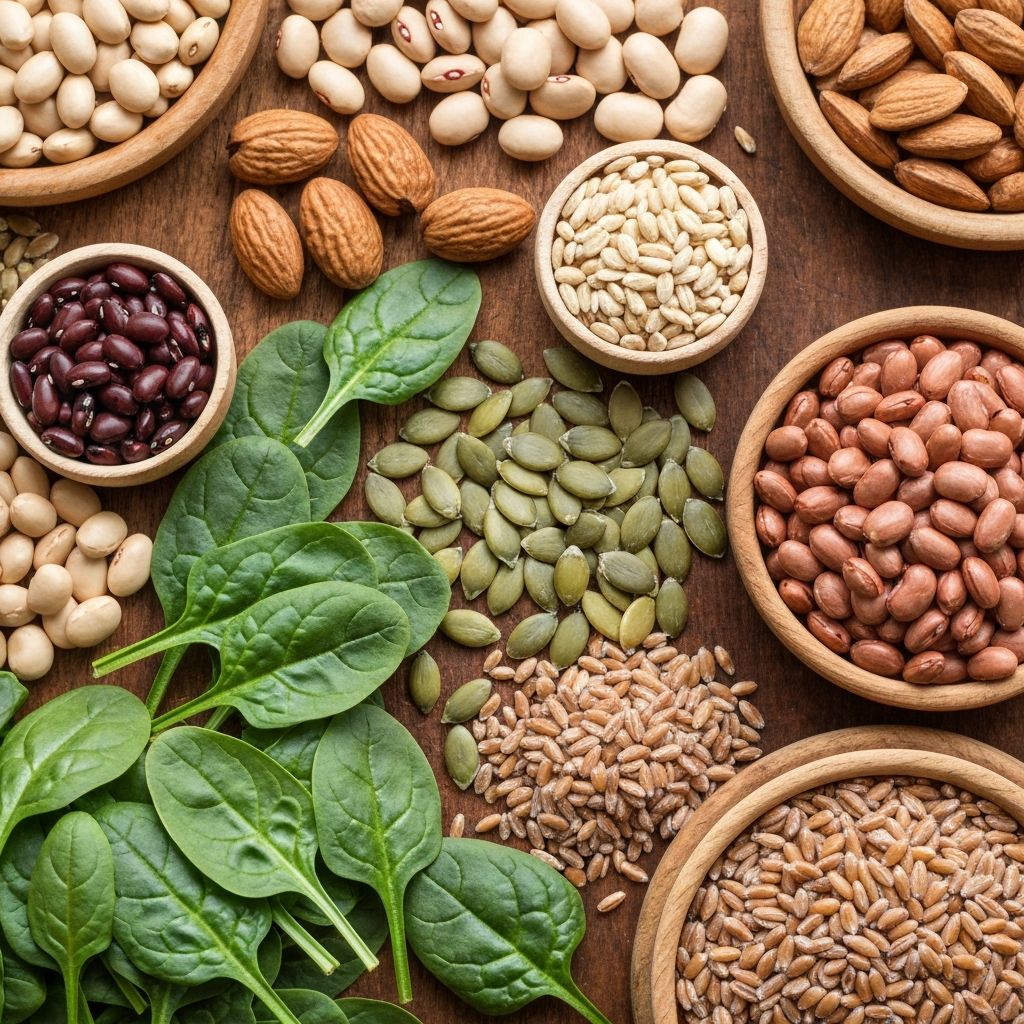
Nutrient density describes the concentration of micronutrients relative to calorie content. Nutrient-dense foods provide substantial vitamins, minerals, phytochemicals and fibre relative to energy contribution. Plant foods vary considerably in nutrient density.
Legume Characteristics
Legumes—lentils, chickpeas, beans, peas—combine multiple nutritional attributes. They provide plant protein (roughly 15-25% by dry weight), substantial fibre, minerals including iron, zinc and magnesium, B vitamins and complex carbohydrates. Energy density varies by legume type and preparation method. Cooked lentils and beans provide approximately 1.0-1.3 calories per gram.
Whole Grain Profiles
Whole grains—oats, quinoa, brown rice, barley—retain the bran, germ and endosperm, preserving fibre and micronutrient content. They provide B vitamins, magnesium, phosphorus and manganese. Protein content varies; quinoa contains approximately 8% protein, whilst oats contain roughly 10-15%. Energy density of cooked whole grains ranges from 0.6-1.0 calories per gram depending on grain type and water content.
Vegetables and Leafy Greens
Vegetables, particularly leafy greens, show exceptionally low energy density—typically 0.2-0.4 calories per gram—whilst providing substantial micronutrients. Leafy greens provide calcium, iron, magnesium, potassium, vitamins K, A and C plus phytochemicals. Root vegetables show slightly higher energy density due to carbohydrate content but remain relatively low compared to most foods.
Nuts and Seeds
Nuts and seeds—almonds, walnuts, chia, flax, sunflower seeds—are energy-dense, providing approximately 5-6 calories per gram due to high fat content. However, they concentrate essential fatty acids, minerals, vitamin E and plant protein. A small portion provides substantial nutrient contribution. Individual responses to nuts and seeds vary widely due to energy density.
Fruits and Berries
Fruits provide varied nutrient profiles. Berries show high micronutrient density relative to calories—approximately 0.4-0.6 calories per gram—with substantial antioxidants, vitamins and fibre. Larger fruits like bananas and avocados show higher energy density but provide distinct nutrients; avocados provide beneficial fats whilst bananas provide potassium and B vitamins.
Energy Density Variation
Plant food energy density varies substantially based on water content, processing and preparation. Whole plant foods with high water and fibre content—vegetables, legumes, fruits—generally show lower energy density. Processing removes water and concentrates energy. Understanding energy density helps contextualise food composition but does not determine individual suitability.
Individual Nutrient Needs
Nutrient requirements vary individually by age, sex, activity level, health status and metabolism. Plant foods provide diverse micronutrients; combination of varied plant sources ensures broad nutrient availability. However, individual absorption, utilisation and requirements differ. Monitoring nutrient adequacy in consultation with healthcare professionals is appropriate for individuals with specific circumstances.